Knowing how to properly use a hot tub water test kit is essential for every spa owner. Even crystal clear water can contain imbalances that affect comfort, damage equipment, or create unsafe soaking conditions.
Understanding how to use your water test kit correctly ensures accurate readings and helps you make the right chemical adjustments.
With a simple, consistent routine, you can protect your investment, extend the life of your hot tub, and enjoy a safe, relaxing soak every time.
Why Testing Your Hot Tub Water Matters
Hot tubs operate in a warm, enclosed environment that naturally encourages bacteria growth and chemical fluctuations. Without regular testing, water chemistry can quickly move out of balance, even if the water looks clean and clear.
When pH levels are too high or too low, it can cause skin and eye irritation, reduce the effectiveness of sanitizers, and create uncomfortable soaking conditions.
Low sanitizer levels allow bacteria and contaminants to multiply, while excessive sanitizer can damage surfaces and irritate users.
Balanced alkalinity and calcium hardness are equally important. Improper levels can lead to cloudy water, scaling on surfaces, clogged filters, or corrosion inside plumbing lines and heaters.
How Proper Testing Protects Your Investment
Your hot tub is made up of sensitive components including pumps, heaters, seals, and plumbing lines. Unbalanced water chemistry can slowly damage these parts, leading to premature wear and costly repairs.
For example, acidic water can corrode internal components and metal fittings. High calcium levels can cause scale buildup inside heaters, reducing efficiency and shortening equipment lifespan. Poor sanitizer control can result in biofilm buildup that strains pumps and filtration systems.
By keeping your chemistry balanced, you extend the life of your spa, reduce maintenance costs, and ensure your hot tub remains safe, efficient, and enjoyable for years to come.
What Is a Hot Tub Water Test Kit and How Does It Work?
A hot tub water test kit is a simple tool used to measure the chemical balance of your spa water. It helps you determine whether your water is safe, clean, and properly balanced for both bathers and equipment.
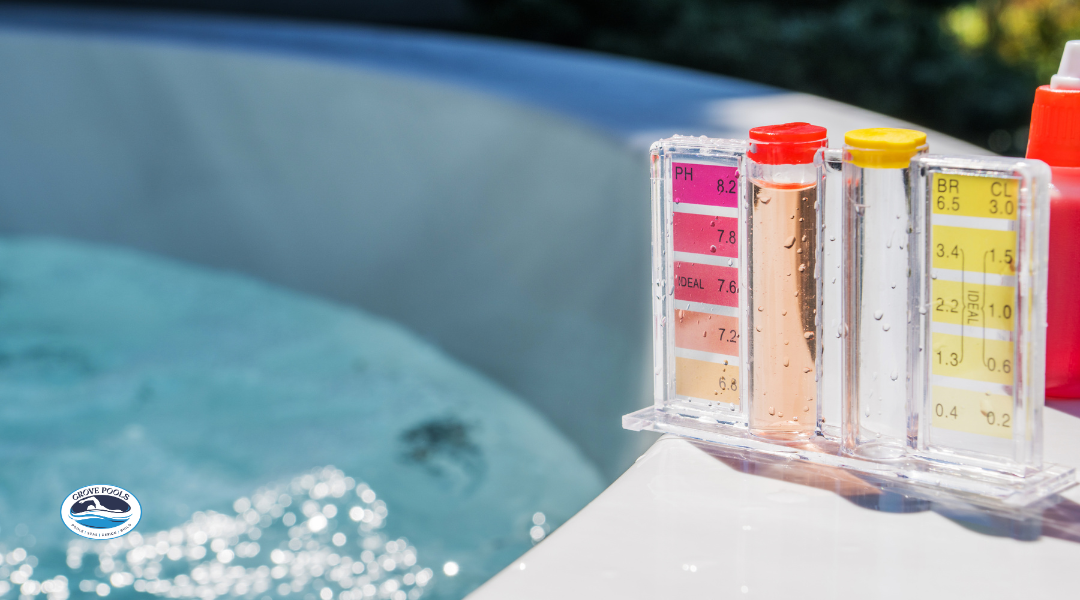
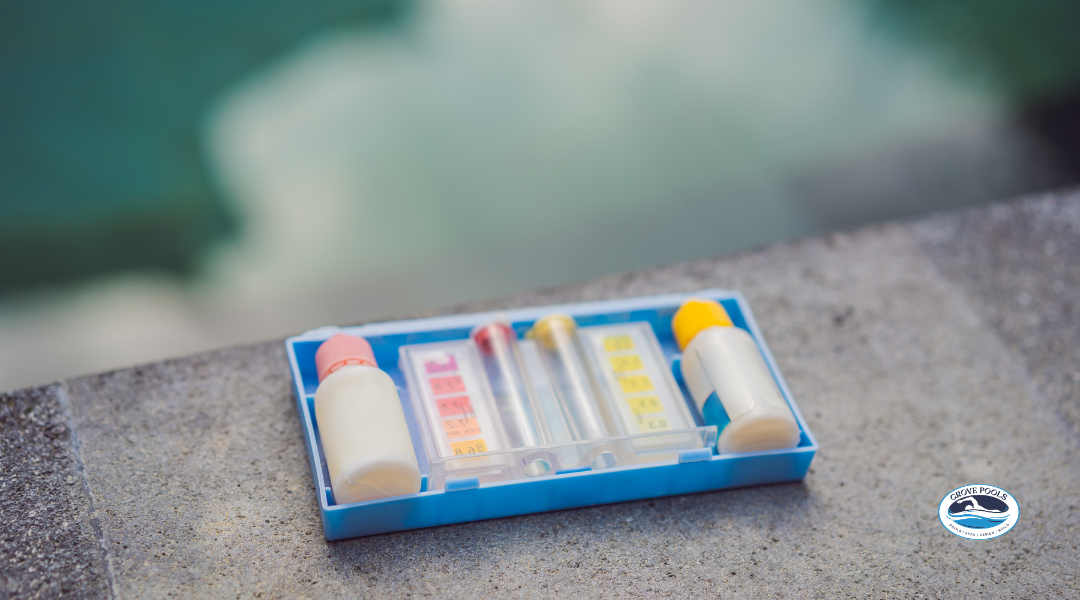
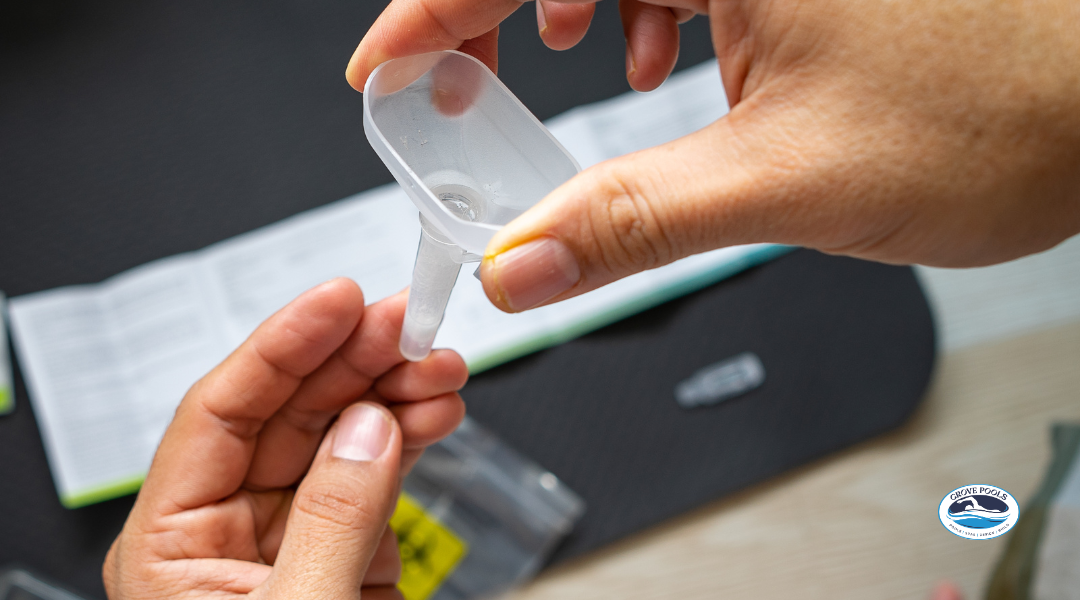
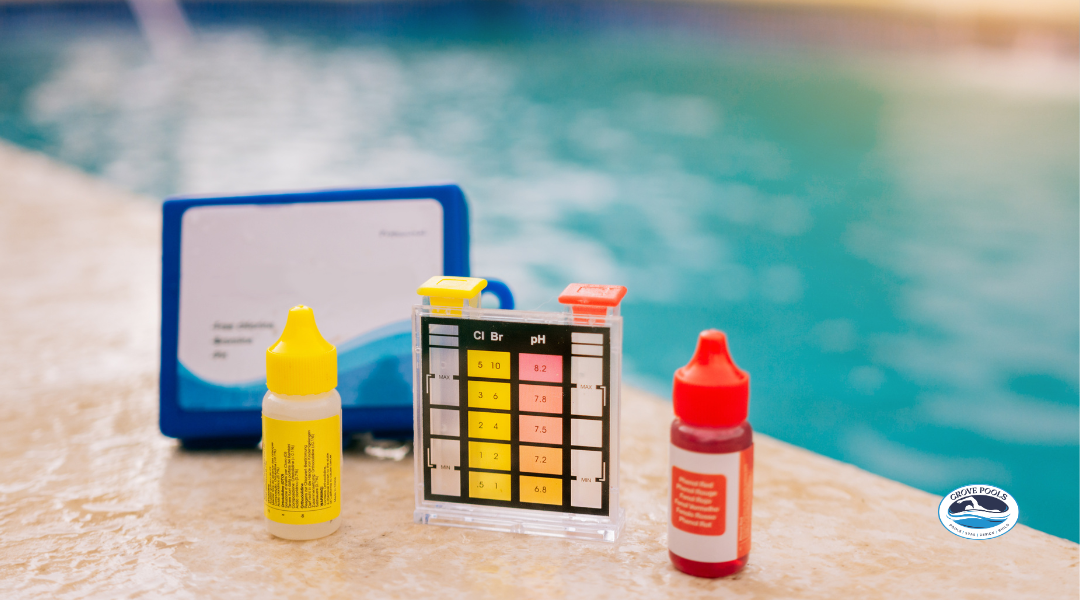
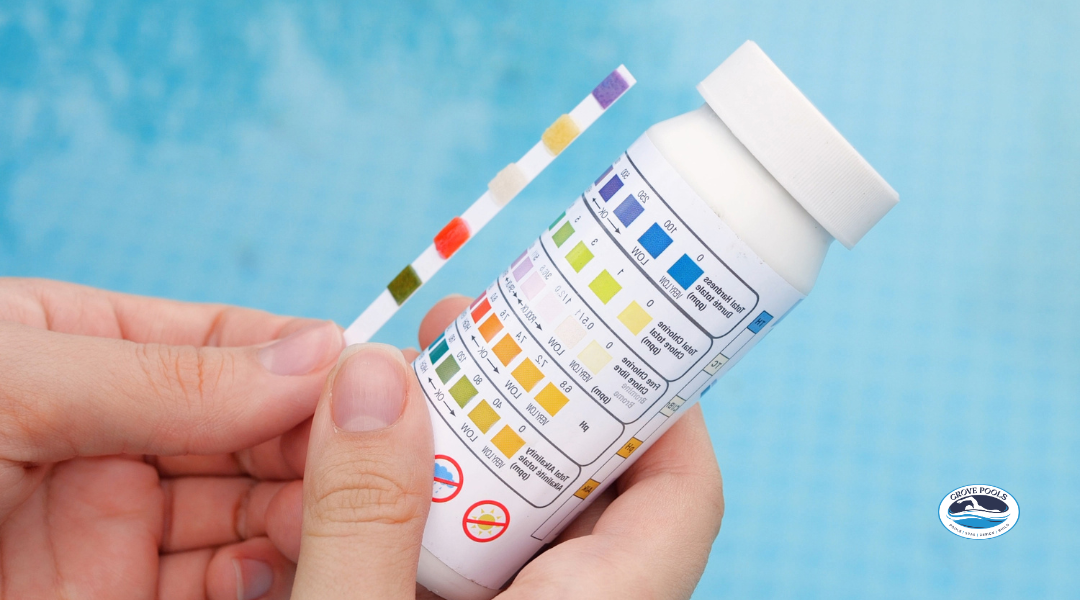
Most test kits work by reacting to a small water sample. Depending on the type of kit, you either dip a strip into the water or add liquid reagents to a sample in a test vial. The chemicals in the kit react with the water and produce a color change. You then compare the result to a provided color chart to determine current levels.
By identifying imbalances early, a test kit allows you to adjust chemicals accurately rather than guessing, which helps prevent irritation, cloudy water, and equipment damage.
Test Strips vs. Liquid Test Kits
Test strips involve dipping a strip into the water, waiting and comparing the colors to the chart.
Liquid test kits involve collecting a water sample and adding measured drops of testing solution. These kits often provide slightly more precise readings but take a bit more time.
Both methods are effective when used properly.
What Your Hot Tub Water Test Kit Should Measure
A reliable test kit should measure the core elements of water balance:
- pH levels
pH measures how acidic or basic your water is. Proper pH balance prevents skin irritation and protects equipment from corrosion or scaling. - Alkalinity
Total alkalinity acts as a stabilizer for pH. When alkalinity is balanced, it helps prevent sudden pH swings that can make water difficult to manage. - Sanitizer levels
This measures chlorine or bromine levels, depending on what you use. Proper sanitizer levels keep bacteria and contaminants under control, ensuring safe soaking conditions. - Calcium hardness
Calcium hardness indicates the amount of dissolved minerals in the water. Levels that are too low can cause corrosion, while levels that are too high can lead to scale buildup inside plumbing and heaters.
Monitoring all four of these areas helps maintain balanced, clear, and safe water.
How Often You Should Test Your Water
For most hot tubs, water should be tested at least once or twice per week. If the spa is used frequently, after heavy bather loads, or after adding fresh water, testing more often is recommended.
Regular testing creates a routine that makes water care simple and predictable. Staying consistent allows you to make small adjustments before problems develop, keeping your hot tub comfortable and properly maintained year round.
Step-by-Step: How to Properly Use a Hot Tub Water Test Kit
Step 1: Collect a Proper Water Sample
Take your sample from elbow depth, away from jets and return lines, to ensure you are testing balanced water rather than freshly circulated or recently treated water.
Step 2: Dip or Add Reagents Correctly
Follow the manufacturer’s instructions carefully, whether dipping a test strip for the recommended number of seconds or adding the exact number of liquid reagent drops to your sample.
Step 3: Compare Results to the Color Chart
Hold the strip or test vial next to the provided color chart in good lighting to accurately match the colors and determine your water’s chemical levels.
Step 4: Record and Monitor Your Results
Write down your readings each time you test so you can track patterns, identify trends, and make gradual adjustments rather than overcorrecting.
Understanding Your Test Results
Most manufacturers recommend maintaining pH between 7.2 and 7.8, total alkalinity between 80 and 120 ppm, proper sanitizer levels based on chlorine or bromine guidelines, and calcium hardness within the recommended range for your spa.
If one reading is out of range, adjust gradually and retest before making additional changes. Overcorrecting can create new imbalances and make the water harder to stabilize.
What to Do If pH Is Too High or Too Low
If pH is too high, the water may look cloudy and sanitizers will not work as effectively. High pH can also cause scale buildup on surfaces and inside equipment. To lower pH, use a pH decreaser according to the product instructions, allow the water to circulate, and retest before adding more.
If pH is too low, the water becomes acidic, which can cause skin irritation and corrode metal components. To raise pH, add a pH increaser in small amounts, circulate the water, and test again to confirm levels are back in range.
How to Correct Alkalinity Issues
Alkalinity acts as a buffer for pH. If alkalinity is too low, pH levels may fluctuate rapidly and become difficult to manage. Adding an alkalinity increaser helps stabilize the water and prevents sudden chemical swings.
If alkalinity is too high, it can cause persistent high pH and cloudy water. In this case, a pH decreaser can gradually lower alkalinity when applied in controlled amounts. Always retest after adjustments to avoid overcorrection.
When Sanitizer Levels Need Immediate Attention
Sanitizer levels are critical for safe soaking. If chlorine or bromine levels are too low, bacteria and contaminants can multiply quickly. In this case, add sanitizer immediately and avoid using the hot tub until levels return to the recommended range.
If sanitizer levels are too high, the water may cause irritation to skin and eyes. Allow the spa cover to remain open and let levels naturally dissipate before use. Testing regularly ensures sanitizer stays within a safe and effective range, protecting both bathers and equipment.
Why Professional Hot Tub Installation Makes Maintenance Easier
A properly installed hot tub directly impacts how easy your spa is to maintain, how efficiently it runs, and how long it lasts. When installation is done correctly from the start, you reduce the risk of ongoing issues that can complicate water care and repairs.
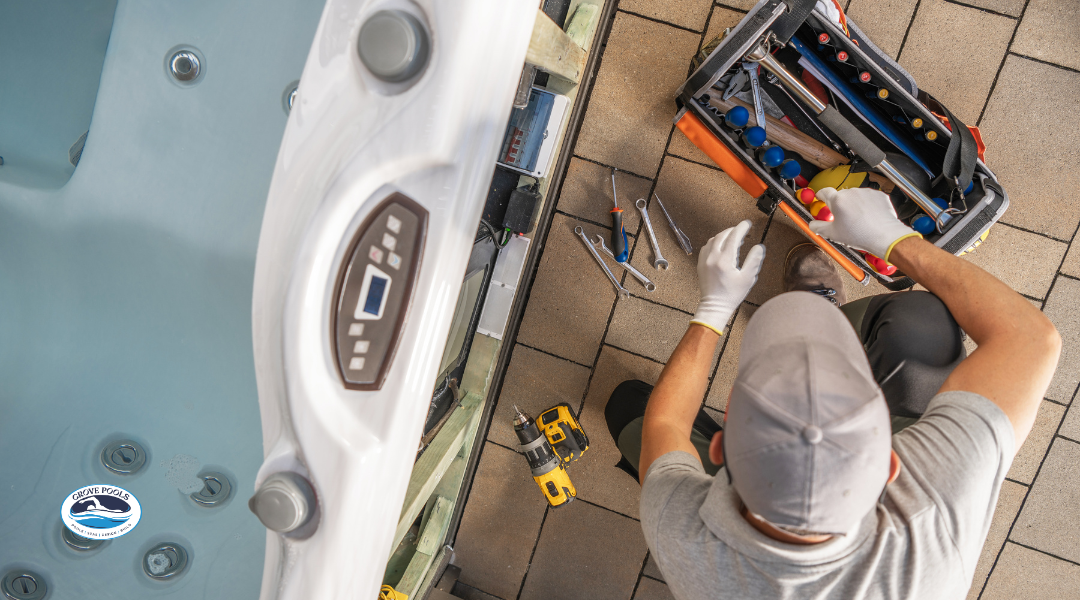
At Grove Pools, our team focuses on precise, code compliant installation that sets your hot tub up for long term performance. From plumbing and electrical connections to site preparation and placement, every detail matters.
Proper Plumbing Setup Reduces Water Chemistry Problems
Incorrect plumbing connections can affect water circulation, which plays a major role in maintaining balanced chemistry. Poor circulation may lead to stagnant areas, uneven sanitizer distribution, and inconsistent filtration.
The Grove Pools team ensures plumbing lines are properly sealed, aligned, and optimized for smooth water flow. Strong circulation supports effective filtration and helps chemicals distribute evenly throughout the spa, making water care simpler and more consistent.
Correct Electrical Installation Supports Consistent Heating
Hot tubs require stable, properly sized electrical connections to operate safely and efficiently. Improper wiring can cause heater malfunctions, breaker trips, or inconsistent temperature control.
Our licensed professionals at Grove Pools handle electrical installation according to manufacturer specifications and local codes. Proper voltage, secure connections, and correctly installed control systems ensure reliable heating and dependable performance year round.
Professional Placement Improves Drainage and Access
Where and how your hot tub is placed affects both maintenance and longevity. Poor drainage can allow water to collect around the base, leading to structural issues and equipment wear. Limited access can make future servicing more difficult and costly.
The Grove Pools team carefully evaluates your space to ensure proper foundation support, drainage flow, and service access. Strategic placement protects your investment, simplifies routine maintenance, and makes any future repairs faster and more efficient.
Choosing professional installation helps ensure your hot tub operates smoothly from day one and remains easier to maintain for years to come.
Considering a New Spa? Our Hot Tub Installation Services Make It Simple
Are you ready to begin your spa journey and elevate your outdoor space?
Our trusted team is here to help with expert guidance, professional installation, and flexible financing that works for you.
Visit us at 1044 Virginia Ave in Hagerstown or call 301-685-7631 to get started. Let’s create your personal sanctuary, right at home!